In the vast, remote expanses of the South Omo region, where healthcare is a distant dream for many, Jemal Abdella, a senior health officer, is bringing life-saving medical services to those who need them most. As part of humedica’s Mobile Health and Nutrition Teams (MHNTs), Jemal’s role is not just a job—it’s a lifeline for countless families living in isolated communities with limited access to healthcare.

Reaching the Unreached

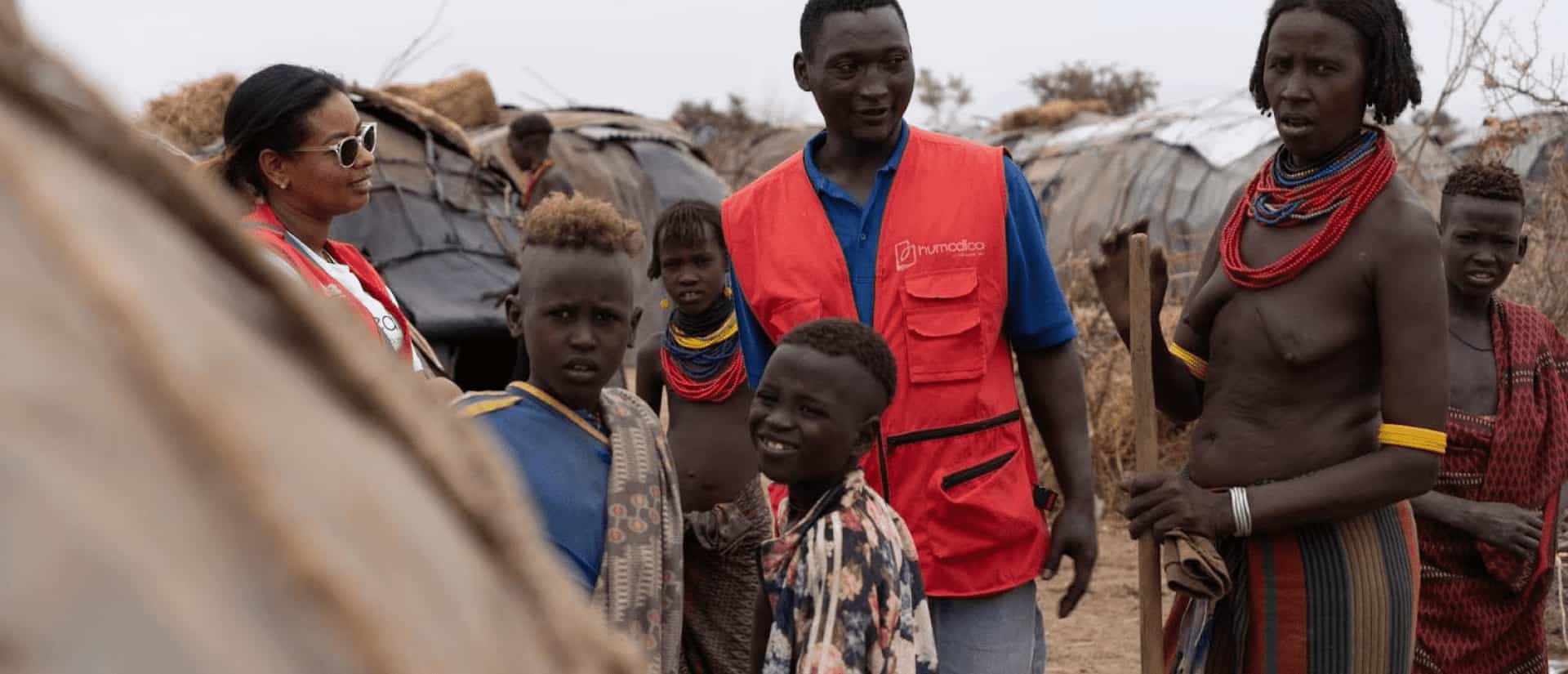
Every day, Jemal embarks on a journey through the harsh terrain of Wassama woreda, where communities are scattered and roads are often impassable. Armed with a mobile team car, Jemal and his dedicated team travel tirelessly—sometimes on foot—to reach areas where few others dare to go. They work six days a week, determined to bring healthcare to those who would otherwise be forgotten.

Despite the geographical challenges, Jemal’s team presses on, understanding that their mission is vital. “For many people here,” Jemal says, “our team is their only access to medical care. Without us, they would have no other way to reach the help they need.”

Connecting with Communities

Jemal’s approach isn’t just about showing up with a medical kit—it’s about building relationships and trust within the community. He knows that healthcare in remote areas isn’t just about treatment; it’s about ensuring the community is informed and engaged.

To make sure the people of Wassama woreda know when to expect the mobile health team, Jemal works closely with local volunteers and social mobilizers. These community members spread the word, ensuring that women and children gather for medical care and that everyone is aware of the services available to them.

“It’s not enough to just arrive. We need to make sure people know we’re coming, that they understand the importance of the services we offer,” says Jemal. This proactive engagement helps maximize the team’s reach and effectiveness, ensuring that even the most marginalized people get the care they need.

Comprehensive Healthcare Services

The range of services provided by Jemal’s team is as diverse as the needs of the community. From basic healthcare treatments to antenatal care, the MHNTs are equipped to address a wide variety of medical concerns. They also conduct malnutrition screenings, provide health education, and offer gender-based violence (GBV) consultations.

In addition to routine services, the team plays a critical role in immunization campaigns, helping to boost vaccination rates and prevent the spread of diseases in an area where access to vaccines is often scarce.

“Every day is different, and every community has its own challenges,” Jemal shares. “But our work is crucial, and we know that what we do changes lives.”

Addressing Crisis and Conflict

The ongoing conflict in the region has further exacerbated the challenges facing local populations. Many families have been forced to flee their homes and take refuge in IDP (Internally Displaced Persons) camps, where healthcare services are stretched thin or completely absent.

Jemal and his team have responded with resilience, offering both facility-based care and outreach services to the IDP camps, ensuring that displaced families still have access to essential healthcare services. From nutrition support to WASH (Water, Sanitation, and Hygiene) interventions, the team works relentlessly to meet the needs of the displaced, helping them rebuild their lives one day at a time.

“We’re not just treating illness,” Jemal says. “We’re also helping to restore hope and stability to families who have already lost so much.”

humedica’s Impact in Afar

Thanks to Jemal and the efforts of the Mobile Health and Nutrition Teams, humedica’s impact in Afar continues to grow. By providing critical healthcare in underserved areas, they’re not only treating illnesses—they’re transforming lives. The teams have earned the gratitude of local communities, government officials, and monitoring groups alike for their tireless efforts and year-round presence.

Jemal’s story is a powerful reminder of the difference one person can make, even in the most challenging circumstances. It’s about the quiet heroes—like Jemal—who go above and beyond to bring healthcare to the people who need it most. His dedication is a beacon of hope for communities in Afar, where access to healthcare has always been a challenge.

Through Jemal’s efforts and the support of humedica, families in remote communities are no longer out of reach—they’re finally getting the care they deserve.
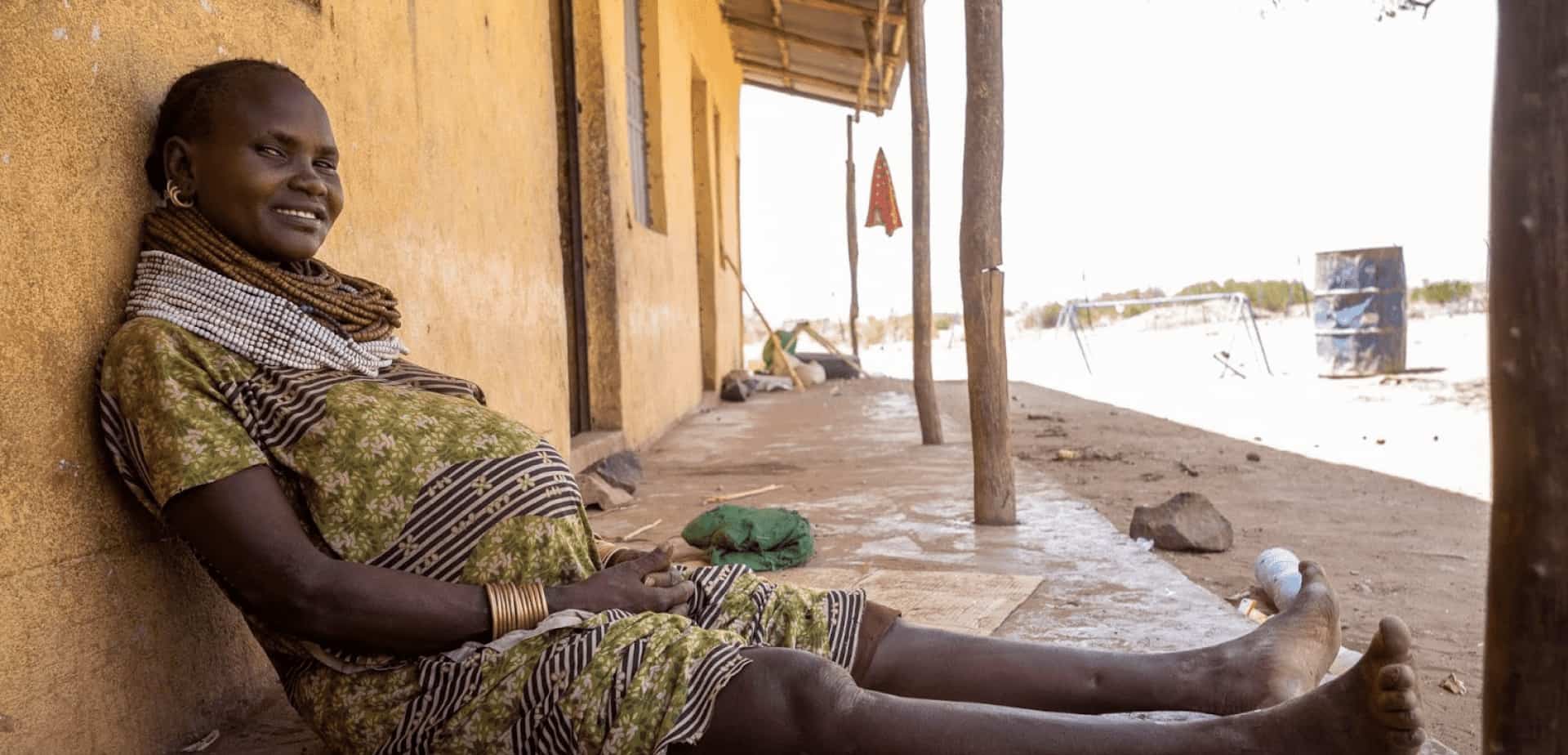
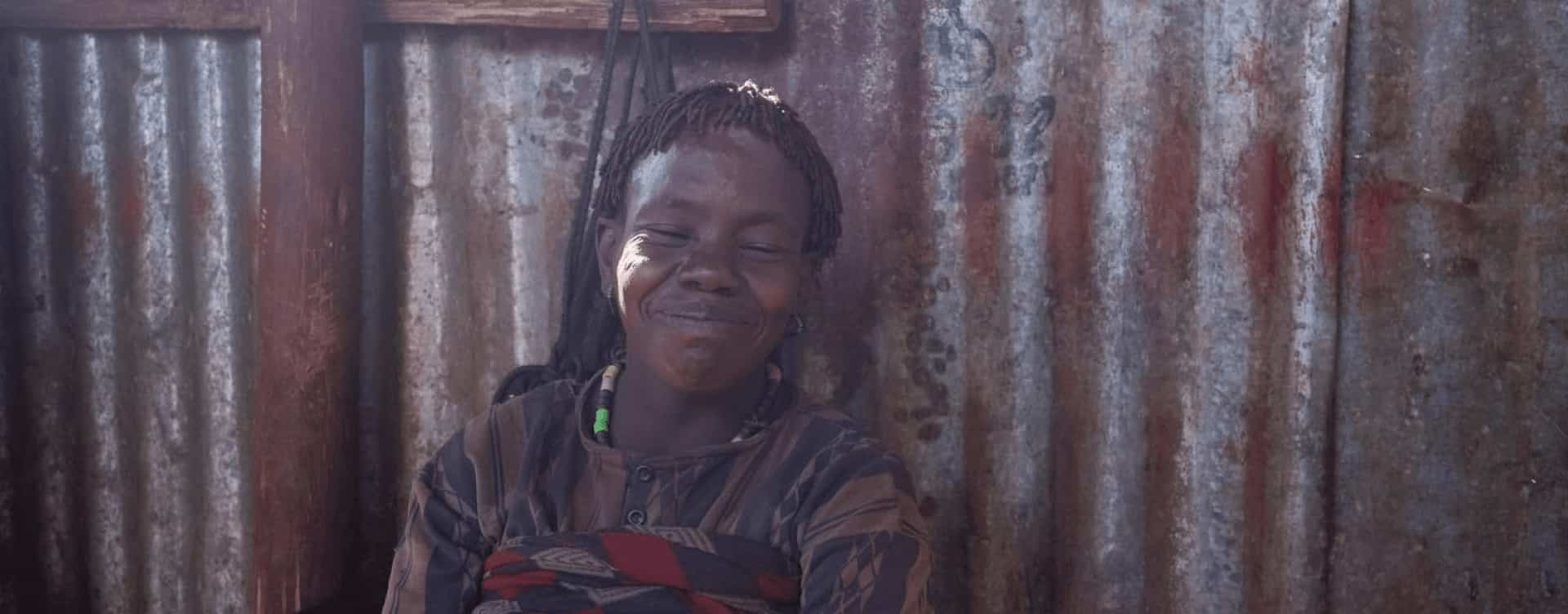
In a remote corner of South Omo, Mekdes Wondimu, a 28-year-old mother from a rural community near Kangaten, knew the challenges of giving birth in a remote community all too well. Her first pregnancy, full of hope, would soon take a heartbreaking turn that would change everything for her.

A Heartbreaking Loss

Mekdes’ first pregnancy was filled with anticipation, but the road to a safe delivery was anything but easy. The nearest health center was a grueling 21 kilometers away, a distance that would prove insurmountable when she needed help the most.

When the day of delivery came, Mekdes’ situation quickly became dire. Despite the urgency, the ambulance was unable to reach her in time, and by the time help arrived, it was too late. The tragic loss of her baby due to hemorrhage left Mekdes devastated, but also determined that no other mother in her community should have to face the same heartache.

A Second Chance for Safe Motherhood

When Mekdes found out she was pregnant again, the fear of another loss lingered. She knew she couldn’t risk another tragedy, so this time, she followed the advice of healthcare workers and decided to stay at the maternity waiting area at the health center. It was a decision that would prove to be life-changing.

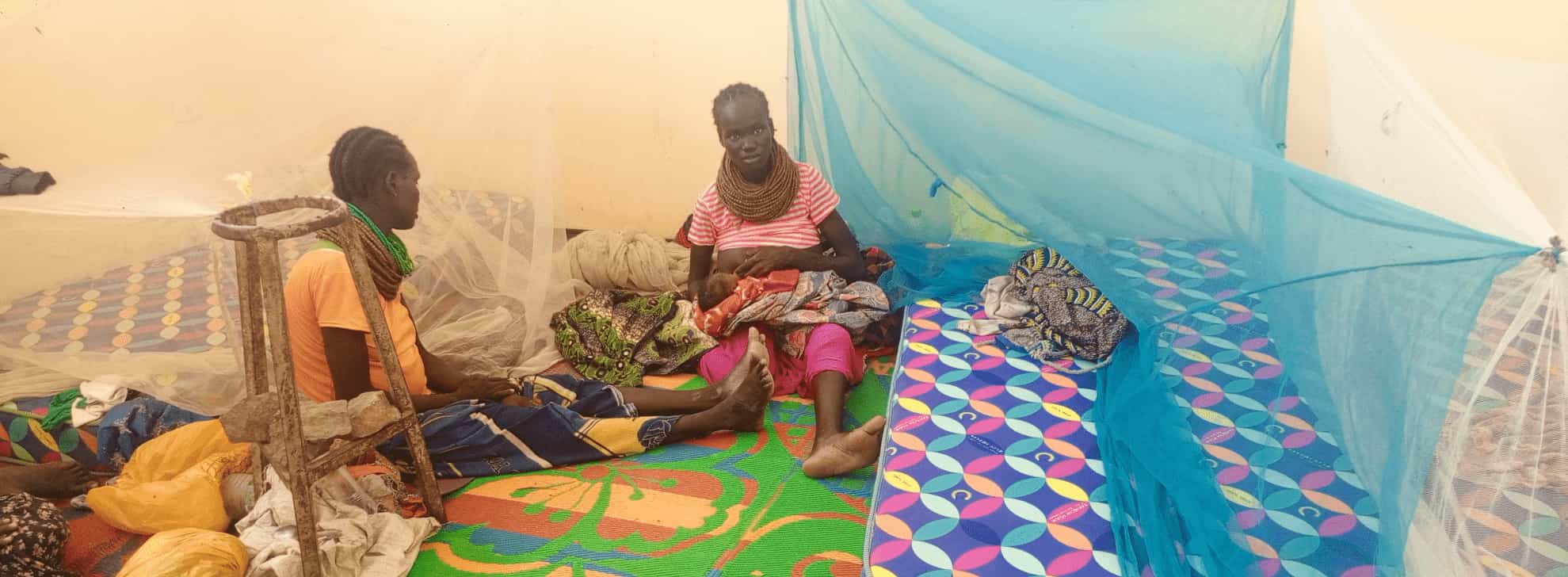
The maternity waiting area, built by humedica, is designed to help women like Mekdes—those who live in remote areas with limited access to healthcare—receive the care and attention they need during the critical final days of pregnancy. Here, she could be close to skilled health professionals who would monitor her health and be ready for any complications that might arise during labor.

A Safe Delivery

As Mekdes settled into the waiting area, she felt a sense of peace she hadn’t known during her first pregnancy. She was no longer miles away from the care she desperately needed—now, the hospital was within reach. Each day, she received regular checkups, ensuring her pregnancy remained healthy.

When the time came for her to give birth, she was ready. The day she delivered her baby safely was a moment of unimaginable relief and joy. Thanks to the care she received at the maternity waiting area, Mekdes was able to hold her newborn in her arms without the fear that had haunted her the first time.

Maternity Waiting Homes: A Lifeline for Mothers

Maternity waiting homes like the one Mekdes stayed in are a lifeline for women facing high-risk pregnancies in isolated areas. These facilities, located near health centers, allow expectant mothers to stay in a safe environment where they can access skilled care, particularly in areas where geographic barriers make it difficult to get to a health facility in time for delivery.

Ethiopia has made significant strides in improving maternal health, but challenges remain. The long distances women must travel to reach health facilities and the preference for traditional birth attendants in some regions still pose risks. But through initiatives like the maternity waiting area, humedica is ensuring that more mothers can experience safe childbirth—and that they don’t have to face these risks alone.

A Positive Outcome for Mekdes

Mekdes’ story is a testament to the transformative impact of maternity waiting areas in remote communities. Thanks to humedica’s support, Mekdes was able to safely deliver her baby and begin the journey of motherhood with hope and gratitude, rather than fear.

Her story isn’t just about one woman’s triumph—it’s about the profound difference that access to skilled care and timely intervention can make in the lives of women facing difficult odds. Mekdes is a living example of how initiatives like the maternity waiting area can reduce risks, improve outcomes, and ultimately save lives.

Her story isn’t just about one woman’s triumph—it’s about the profound difference that access to skilled care and timely intervention can make in the lives of women facing difficult odds. Mekdes is a living example of how initiatives like the maternity waiting area can reduce risks, improve outcomes, and ultimately save lives.

In the rolling hills of South Omo, Abebech Tadesse, a 64-year-old traditional birth attendant and midwife, has been the heart of her community for decades. With gentle hands and a deep understanding of the birthing process, she’s assisted countless expectant mothers, traveling far and wide across rugged terrain to be by their side. Her reputation as a skilled and compassionate birth attendant earned her the trust of many, but her journey would soon take a turn that would forever change the way she approached her life’s work.

A Life-Altering Shift

Abebech’s life in the village was built on the traditional practices she inherited from her ancestors. For years, she’d performed home deliveries, relying on her instincts and skills to ensure safe births for mothers in remote communities. Yet, despite her experience, Abebech often faced a deep, unspoken fear—the risk that one of her deliveries might not end well. Emergencies were always a looming threat, and access to medical care in these isolated areas was almost nonexistent.

It wasn’t until Abebech received training from humedica that her perspective began to shift. The training emphasized the importance of safe delivery in medical facilities and the dangers of home births, especially in rural areas where emergency medical help was often hours away. The realization hit her hard: while she had saved many lives, the risks associated with home births were too great to ignore.

A Courageous Decision

With a heavy heart but a clear mind, Abebech made a life-changing decision—to leave behind the practices that had defined her work for so long. She would no longer assist in home deliveries but instead, she would help expectant mothers access the healthcare they truly needed. Her mission was simple but profound: to ensure the safety of every mother and child, no matter the cost.

Abebech began working closely with the healthcare providers at the Dimeka Health Center, a local facility offering safe delivery services. She no longer worked alone but was now part of a collaborative team that included doctors, nurses, and community health workers. Together, they offered antenatal care, postnatal care, and safe delivery services that Abebech had once tried to provide on her own.

Building Bridges Between Tradition and Modern Medicine

What made Abebech’s transformation so powerful was her unique position in her community. Having gained the trust and respect of the people, she became a bridge between traditional and modern healthcare. Abebech began sharing her knowledge in health education sessions, helping her community understand the importance of safe childbirth and the benefits of seeking care at health centers.

Her role evolved into something much greater than a midwife—Abebech became a trusted advocate for maternal and child health, using her influence to refer pregnant women to medical facilities where they could receive the best care possible. By doing so, she helped reduce complications that stemmed from home deliveries, ultimately ensuring safer births for mothers and babies alike.

Abebech’s change in approach didn’t just impact her; it transformed the lives of many others. Since her collaboration with the health center began, more mothers in her community now receive timely, life-saving care. Complications during childbirth have decreased, and babies born in medical facilities have a greater chance of survival. Her decision to embrace modern healthcare has meant a brighter, healthier future for many, and Abebech’s work has earned her admiration and gratitude across South Omo.

Abebech’s journey is one of profound transformation—not just in her practices, but in her entire outlook on healthcare. Her collaboration with humedica has not only enhanced her skills but has also forged a powerful partnership between traditional knowledge and modern medicine, improving the health outcomes of mothers and infants in South Omo.

Abebech’s story is a testament to the power of change and the impact of training and support. It shows that even the most deeply rooted traditions can evolve to meet the needs of a changing world, ensuring that no mother or child is left behind in the pursuit of better health and a brighter future.

In the mountainous region of Tigray, Tesfaye Gebremariam, a 50-year-old man, was suddenly faced with a medical emergency that threatened his life. He had lived most of his life in the quiet rhythm of his rural community, but when he was diagnosed with a large bowel obstruction caused by sigmoid volvulus, everything changed. Tesfaye’s condition was severe and required urgent surgical intervention—but the path to recovery was anything but simple.

The Struggle Before Intervention

Months before humedica’s intervention, Tesfaye had undergone a laparotomy, hoping it would resolve his growing health issues. The surgery revealed a gangrenous sigmoid, and the doctors had to create an end colostomy as a temporary solution. However, Tesfaye’s home was far from the nearest hospital, which caused a delay in treatment. By the time he received medical attention, his condition had worsened, and his road to recovery seemed uncertain.

For months, Tesfaye lived with the discomfort and challenges of an end colostomy, knowing that the next step—a reversal of the colostomy—was critical to his long-term health. But access to the necessary medical resources remained a huge barrier. Tesfaye feared the worst: without the proper intervention, his quality of life would continue to deteriorate.

humedica Steps In

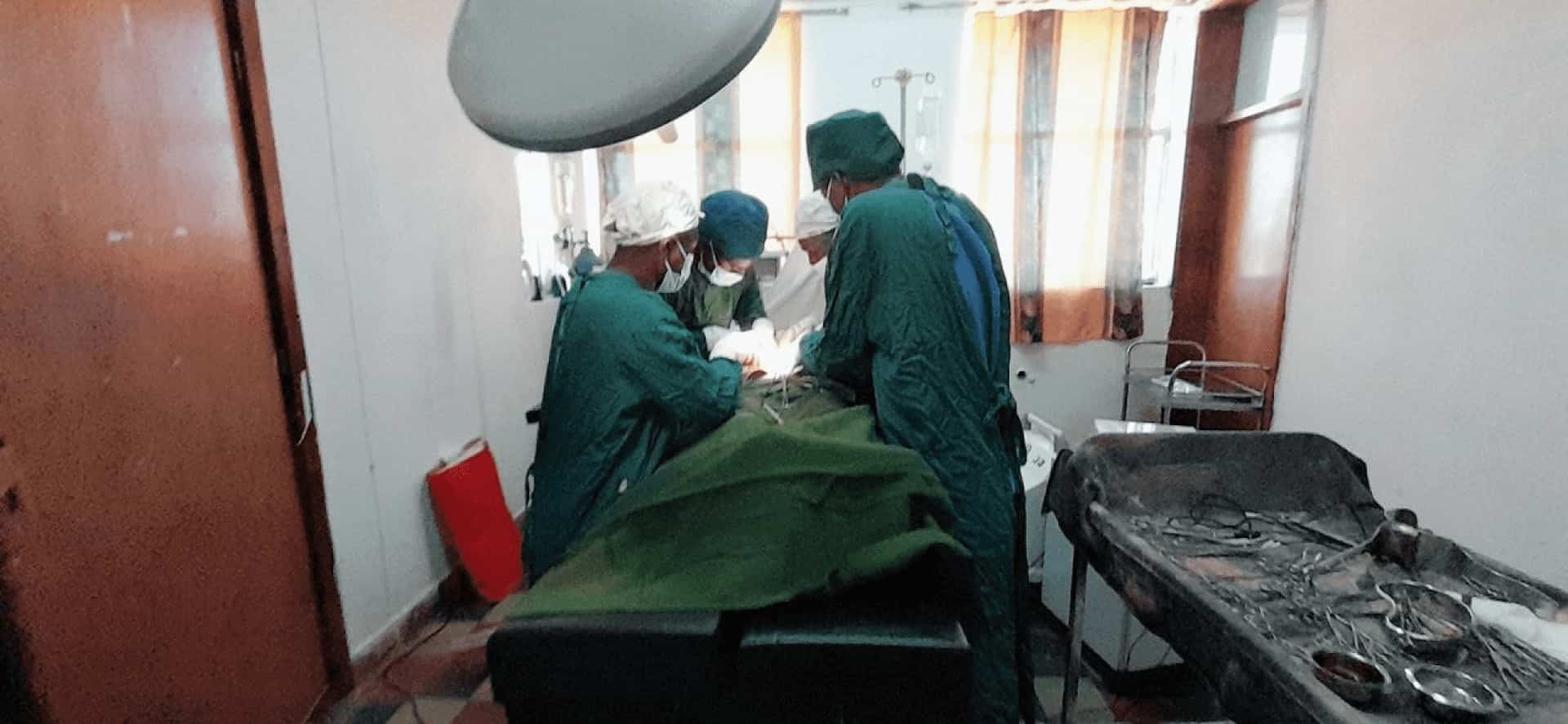
In his time of need, humedica arrived like a lifeline. The organization’s health program played a pivotal role in facilitating the critical colostomy reversal surgery that Tesfaye desperately needed. Through the project, humedica provided not only the necessary medical expertise but also essential resources that helped the medical team perform a successful surgery.

One of the key factors in Tesfaye’s recovery was the donation of a cautery machine and a major operating room set, which Humedia provided. These resources were crucial for the medical team, allowing them to perform complex surgeries that would have otherwise been impossible. The donated equipment meant the difference between life and death for Tesfaye.

A Life Transformed

The day of the surgery was a turning point for Tesfaye. With the help of the gifted medical equipment and the skill of the doctors, he underwent colostomy reversal surgery, where the medical team performed an end-to-end anastomosis to restore normal function. The surgery was a success. Tesfaye, who had once faced the grim possibility of enduring life with an unreversed colostomy, could now look forward to a future of healthier, fuller living.

Tesfaye’s recovery story is one of hope, resilience, and transformation. His health improved dramatically after the surgery, allowing him to return to his community with renewed strength. Thanks to humedica’s timely intervention, Tesfaye’s life was not only saved but also restored.

The Impact of humedica’s Support in Tigray

Tesfaye’s story is just one of many that demonstrates how humedica’s humanitarian efforts are transforming lives in isolated regions like Tigray. Through critical medical interventions and the provision of life-saving equipment, humedica has played an indispensable role in addressing health crises in the region. Tesfaye’s case highlights the importance of immediate action and proper medical resources in providing positive outcomes for those who would otherwise be left without options.

As Tesfaye returns to his life, healthier and hopeful, his story serves as a powerful reminder of the profound impact that humanitarian organizations like humedica can have. In a region that has faced significant challenges, the provision of timely healthcare can make all the difference, turning despair into hope and restoring lives to the communities that need it most.

In the Wassama district of Ethiopia’s Afar region, Samira Ahmed lived a peaceful life with her children until the war came, shattering everything. At 28 years old, Samira had already faced many challenges, but none as overwhelming as the conflict that forced her to flee her home.

The Devastating Impact of Conflict

When war erupted in Zone Two, Samira and her family—along with many others—were caught in the crossfire. She fled to the “Weaytu” IDP shelter, a temporary refuge set up by the government for displaced people. Along with her children and other female relatives, Samira was forced to leave behind everything she knew. The uncertainty of their situation weighed heavily on her, as she had no idea what awaited her on the other side of the conflict.

For months, Samira’s world was turned upside down. Basic needs like food, water, and shelter were scarce, but her primary concern was the safety of her children. She had no choice but to wait, uncertain of when she could return home.

A Return to Devastation

When the conflict finally subsided and the TPLF forces withdrew from Zone Two, Samira dared to hope that she could return to her life in Wassama. But when she arrived at her home, everything had been ransacked. Her house was empty—the walls stripped bare, and all of their essential belongings gone. The loss was overwhelming. Samira was left with nothing but the clothes on her back and her children’s hands in hers. The devastating impact of the war had taken everything from her.

humedica’s Lifeline

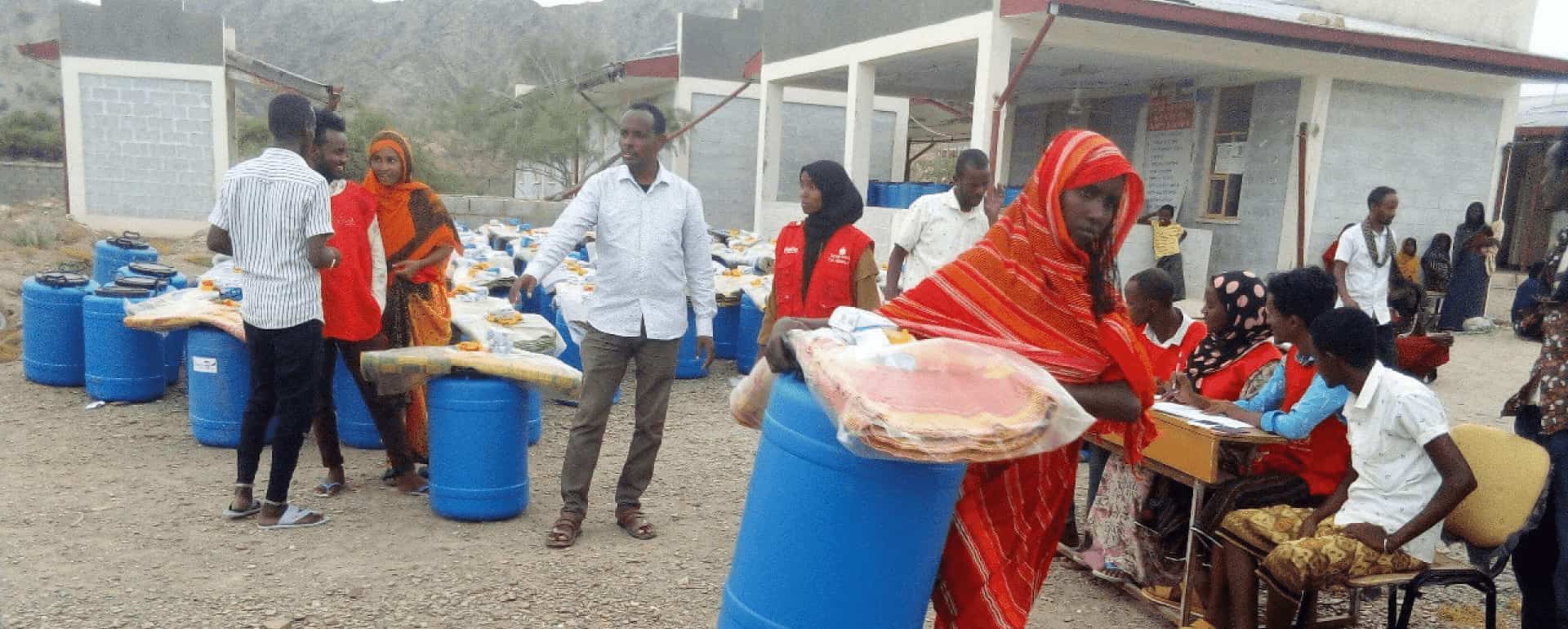
Amidst the ruins, humedica stepped in with timely and essential support. The organization, provided Samira and her family with vital non-food items (NFIs) to help them rebuild their lives. These included:

  • Water containers for safe water storage
  • Mattresses to sleep on
  • Ground mats to keep them comfortable
  • Body soap for hygiene

But for Samira, the support didn’t stop at just these items. It was more than that. She emphasized that humedica’s aid went beyond material goods—it was the sense of security and care that came with the support.

“humedica supported not only me but also the entire Wassama community, providing crucial health services and essential supplies,” Samira shared, her voice filled with gratitude.

A Grateful Heart

For Samira, having access to basic necessities was a lifeline. Water containers meant she no longer had to walk miles for clean water. Mattresses provided comfort for her and her children after months of sleeping on the cold ground. Soap was a small yet vital detail in her daily routine, restoring a sense of dignity amidst the chaos.

“I am glad and grateful that I have a water container to preserve enough water, mats to sleep on with my children, body soaps, and essential medical services through humedica. Thank you, humedica project,” she said with deep appreciation.

More Than Just Supplies: A Community Restored

Hussain, a humedica team member, shed light on the dire situation in the IDP camps—where the need for health services was great and urgent. He explained how humedica worked tirelessly to address these needs through both facility-based services and outreach programs, focusing on healthcare, nutrition, WASH (water, sanitation, and hygiene), and gender-based violence (GBV) interventions.

Through these efforts, humedica played a crucial role in restoring hope in places where despair had taken root. The organization’s actions went beyond providing materials—they created a foundation for long-term recovery and well-being for families like Samira’s.

Samira’s Resilience: A Story of Hope

Despite everything she had lost, Samira’s story is one of immense resilience. She found strength in her ability to survive and care for her children, and in the support she received from humedica. Through the help of humanitarian organizations like humedica, Samira was able to rebuild—one essential item, one piece of hope at a time.

Her story is a testament to the critical role humanitarian aid plays in conflict-affected communities. Samira’s gratitude and strength show how, even in the darkest moments, there is a path forward, and hope can be restored with the right support.

In Ethiopia’s Afar region, where conflict and hardship have upended countless lives, Fatuma Yusuf’s story is one of resilience, hope, and the life-saving impact of timely medical care. For many women in remote areas, pregnancy is not just a journey—it’s a dangerous gamble, one that could mean life or death without access to the right care.

A Mother in Crisis

Fatuma, 22 years old and expecting her second child, had endured four days of severe abdominal and back pain. The discomfort had worsened, but she had no contractions. She knew something was wrong, yet going to a hospital seemed impossible.

Her family had lost everything to the ongoing conflict—their home, their livestock, their livelihood. Now, they struggled just to find enough food each day. Seeking medical care was a luxury they could not afford.

Fatuma’s mother, torn between fear for her daughter’s health and the harsh reality of their situation, put it simply:

“We don’t even have money to buy food, so if I take my daughter to the hospital, we won’t have anything to eat or drink.”

The Critical Referral

Fatuma’s condition required urgent medical attention at Abala Primary Hospital, but with no money for transportation, the family had no way of getting her there.

This is where humedica stepped in. Recognizing the gravity of the situation, the organization’s Mobile Health and Nutrition Team (MHNT) took immediate action. They arranged transportation for Fatuma to Abala Hospital, ensuring she received the emergency care she needed.

In a region where many women give birth at home without skilled assistance, the intervention of humedica was the difference between a safe delivery and a potential tragedy.

A New Life, A New Hope

At the hospital, Fatuma was immediately admitted to the delivery room. The medical team worked swiftly, and after four hours, she delivered a healthy baby boy. While she required a minor procedure to ensure a safe recovery, both she and her baby were in good condition.

For a mother who had been so close to giving birth in a situation of extreme hardship, the safe delivery was nothing short of a miracle.

A Family’s Gratitude

As Fatuma held her newborn son in her arms, the relief in the room was palpable. Her father, overcome with emotion, expressed his gratitude with tears in his eyes:

“humedica saved my daughter’s life. I have no words for you; you give my family happiness.”

His words encapsulated the profound impact of humedica’s work—not just in providing healthcare, but in restoring hope to families on the brink of despair.

A Call to Action

Fatuma’s story is just one of many. Across Ethiopia, countless women face the same risks due to lack of access to maternal healthcare.

With continued support, humedica can reach more mothers in need, ensuring that pregnancy is a journey of hope rather than fear.

Every intervention saves lives. Every mother deserves a safe delivery.