
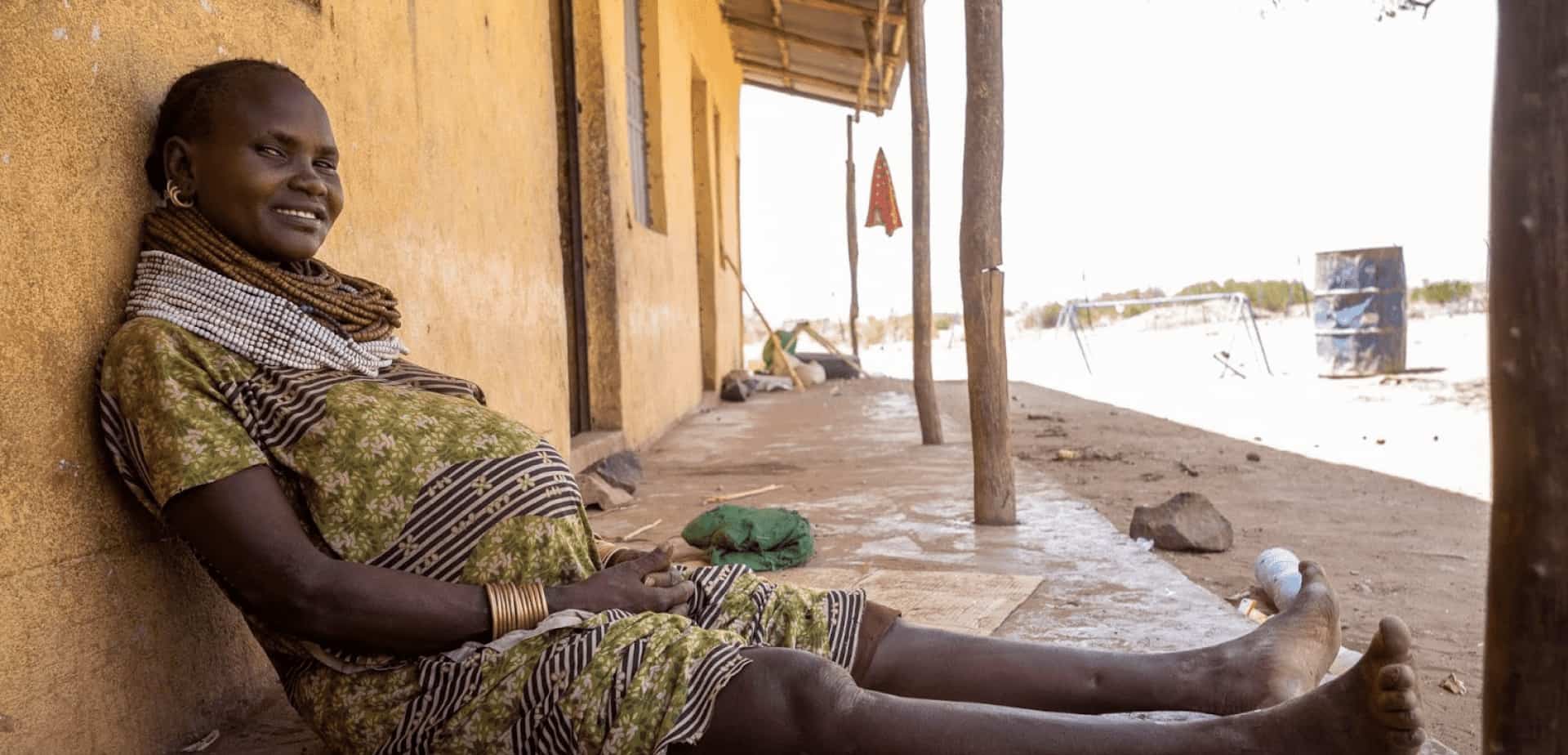
In a remote corner of South Omo, Mekdes Wondimu, a 28-year-old mother from a rural community near Kangaten, knew the challenges of giving birth in a remote community all too well. Her first pregnancy, full of hope, would soon take a heartbreaking turn that would change everything for her.
A Heartbreaking Loss
Mekdes’ first pregnancy was filled with anticipation, but the road to a safe delivery was anything but easy. The nearest health center was a grueling 21 kilometers away, a distance that would prove insurmountable when she needed help the most.
When the day of delivery came, Mekdes’ situation quickly became dire. Despite the urgency, the ambulance was unable to reach her in time, and by the time help arrived, it was too late. The tragic loss of her baby due to hemorrhage left Mekdes devastated, but also determined that no other mother in her community should have to face the same heartache.
A Second Chance for Safe Motherhood
When Mekdes found out she was pregnant again, the fear of another loss lingered. She knew she couldn’t risk another tragedy, so this time, she followed the advice of healthcare workers and decided to stay at the maternity waiting area at the health center. It was a decision that would prove to be life-changing.
The maternity waiting area, built by humedica, is designed to help women like Mekdes—those who live in remote areas with limited access to healthcare—receive the care and attention they need during the critical final days of pregnancy. Here, she could be close to skilled health professionals who would monitor her health and be ready for any complications that might arise during labor.
A Safe Delivery
As Mekdes settled into the waiting area, she felt a sense of peace she hadn’t known during her first pregnancy. She was no longer miles away from the care she desperately needed—now, the hospital was within reach. Each day, she received regular checkups, ensuring her pregnancy remained healthy.
When the time came for her to give birth, she was ready. The day she delivered her baby safely was a moment of unimaginable relief and joy. Thanks to the care she received at the maternity waiting area, Mekdes was able to hold her newborn in her arms without the fear that had haunted her the first time.
Maternity Waiting Homes: A Lifeline for Mothers
Maternity waiting homes like the one Mekdes stayed in are a lifeline for women facing high-risk pregnancies in isolated areas. These facilities, located near health centers, allow expectant mothers to stay in a safe environment where they can access skilled care, particularly in areas where geographic barriers make it difficult to get to a health facility in time for delivery.
Ethiopia has made significant strides in improving maternal health, but challenges remain. The long distances women must travel to reach health facilities and the preference for traditional birth attendants in some regions still pose risks. But through initiatives like the maternity waiting area, humedica is ensuring that more mothers can experience safe childbirth—and that they don’t have to face these risks alone.
A Positive Outcome for Mekdes
Mekdes’ story is a testament to the transformative impact of maternity waiting areas in remote communities. Thanks to humedica’s support, Mekdes was able to safely deliver her baby and begin the journey of motherhood with hope and gratitude, rather than fear.
Her story isn’t just about one woman’s triumph—it’s about the profound difference that access to skilled care and timely intervention can make in the lives of women facing difficult odds. Mekdes is a living example of how initiatives like the maternity waiting area can reduce risks, improve outcomes, and ultimately save lives.
Her story isn’t just about one woman’s triumph—it’s about the profound difference that access to skilled care and timely intervention can make in the lives of women facing difficult odds. Mekdes is a living example of how initiatives like the maternity waiting area can reduce risks, improve outcomes, and ultimately save lives.